Ensuring Safety in Garbage Compactor Truck Operations
Introduction Garbage compactor trucks play a crucial role in waste management systems, efficiently collecting and compacting waste to transport it to disposal sites. These trucks are essential in maintaining cleanliness in urban areas and ensuring proper waste disposal. However, operating garbage compactor trucks comes with inherent risks that need to be addressed to ensure the safety of both the operators and the public. 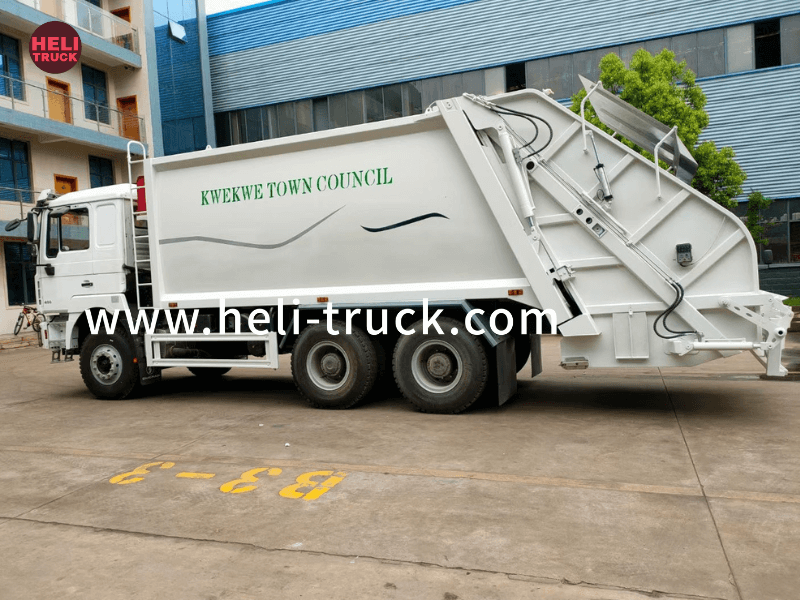 In this comprehensive guide, we will explore the various safety aspects of garbage compactor trucks, including operational guidelines, maintenance practices, and training requirements. By adhering to these safety measures, waste management companies can minimize accidents, injuries, and environmental hazards associated with garbage compactor truck operations. Safety Features of Garbage Compactor Trucks Garbage compactor trucks are equipped with various safety features designed to protect the operators and prevent accidents during operation. Some of the key safety features include: 1. Emergency Stop Button: Garbage compactor trucks are fitted with an emergency stop button that allows the operator to quickly shut down the machine in case of an emergency or malfunction. 2. Rear Cameras and Sensors: Many modern garbage compactor trucks are equipped with rear cameras and sensors to help the operator navigate and maneuver the vehicle safely, especially in crowded urban areas. 3. Warning Lights and Alarms: These trucks come with warning lights and alarms to alert pedestrians and other vehicles of their presence, reducing the risk of accidents during waste collection. 4. Automatic Safety Locks: Garbage compactor trucks have automatic safety locks that prevent the compactor from operating when the rear door is open, ensuring the safety of the operator. Operational Guidelines for Garbage Compactor Truck Safety To ensure the safe operation of garbage compactor trucks, operators must follow strict operational guidelines. These guidelines are designed to minimize risks and prevent accidents during waste collection and disposal. Some essential operational guidelines for garbage compactor truck safety include: 1. Pre-Operational Checks: Before starting the compactor truck, operators should conduct pre-operational checks to ensure that all safety features are functioning correctly. This includes checking the emergency stop button, warning lights, and rear cameras. 2. Proper Loading Procedures: Operators should follow proper loading procedures to prevent overloading the compactor truck, which can lead to accidents and equipment damage. They should also ensure that the waste is evenly distributed in the compactor to maintain balance and stability during transportation. 3. Safe Driving Practices: Garbage compactor truck operators should adhere to safe driving practices, including obeying traffic rules, maintaining a safe distance from other vehicles, and using turn signals when changing lanes. Speed should be controlled to prevent accidents and ensure the safety of the operator and other road users. 4. Regular Maintenance Checks: Regular maintenance checks are essential to ensure that the garbage compactor truck is in optimal working condition. Operators should inspect the vehicle for any signs of wear and tear, leaks, or malfunctions and report any issues to the maintenance team for immediate repairs. Training Requirements for Garbage Compactor Truck Operators Proper training is essential for garbage compactor truck operators to ensure they have the necessary skills and knowledge to operate the vehicle safely. Training programs should cover various aspects of garbage compactor truck operations, including: 1. Vehicle Operation: Operators should be trained on how to operate the garbage compactor truck, including starting and shutting down the machine, using the compactor mechanism, and navigating the vehicle in different environments. 2. Safety Procedures: Operators should be educated on safety procedures, emergency protocols, and the proper use of safety features on the garbage compactor truck. They should also receive training on how to handle hazardous waste materials safely. 3. Maintenance Practices: Training programs should include maintenance practices to help operators identify potential issues with the garbage compactor truck and perform basic maintenance tasks to ensure the vehicle's optimal performance. 4. Communication Skills: Garbage compactor truck operators should also be trained in effective communication skills to interact with team members, supervisors, and the public during waste collection operations. Clear communication is essential to prevent misunderstandings and ensure a smooth operation. go now in Garbage Compactor Truck Operations In addition to ensuring the safety of operators and the public, waste management companies must also consider environmental factors when operating garbage compactor trucks. Proper waste disposal practices and environmental awareness can help minimize the impact of waste collection on the environment. Some key environmental considerations in garbage compactor truck operations include: 1. Recycling and Waste Segregation: Encouraging recycling and waste segregation practices can help reduce the amount of waste sent to landfills and promote sustainable waste management. Garbage compactor truck operators should be trained to identify recyclable materials and separate them from general waste. 2. Proper Disposal Methods: Waste management companies should follow proper disposal methods, such as composting organic waste or sending hazardous materials to specialized disposal facilities. Improper disposal of waste can lead to environmental pollution and health hazards. 3. Emission Reduction: Garbage compactor trucks are significant contributors to air pollution due to their diesel engines. Companies should invest in modern, fuel-efficient vehicles and adopt emission reduction technologies to minimize the environmental impact of their operations. 4. Community Engagement: Engaging with the community and raising awareness about waste management practices can help foster a culture of environmental responsibility. Waste management companies can organize outreach programs, workshops, and educational campaigns to encourage sustainable waste disposal habits. Conclusion Garbage compactor trucks play a vital role in waste management systems, but their operations come with inherent risks that need to be addressed to ensure the safety of operators, the public, and the environment. By implementing strict safety measures, providing comprehensive training programs, and considering environmental factors, waste management companies can minimize accidents, injuries, and environmental hazards associated with garbage compactor truck operations. It is essential for waste management companies to prioritize safety and environmental considerations in their operations to promote sustainable waste management practices and protect the well-being of communities. By following the guidelines outlined in this article, garbage compactor truck operators can contribute to a cleaner, safer, and more sustainable urban environment.